
When most drivers think about engine power or fuel efficiency, they often forget one of the most important systems in their vehicle — the car suspension. Yet this system directly affects your safety, comfort, steering control, tire life, and even braking distance.
Whether you’re driving through winter roads in Chicago, navigating heavy traffic in New York City, cruising highways in Houston, or commuting in Los Angeles, your suspension system works constantly to keep your vehicle stable and smooth.
In this comprehensive USA-focused guide, we’ll break down everything you need to know about car suspension — how it works, types, warning signs, repair costs, maintenance tips, and how to extend its lifespan.
What Is Car Suspension?
Car suspension is the system of components that connects your vehicle to its wheels and allows relative motion between them. It absorbs road shocks while maintaining tire contact with the road surface.
Without suspension, your vehicle would:
- Bounce uncontrollably
- Lose traction easily
- Feel unstable at high speeds
- Wear tires unevenly
- Become unsafe during braking
In simple terms, suspension keeps your ride smooth and your vehicle under control.
Why Car Suspension Is Critical for USA Drivers
Driving conditions in the United States vary widely:
- Snow and salted roads in northern states
- Extreme heat in southern regions
- Pothole-heavy urban streets
- Long-distance highway driving
- Mountain terrain in western states
These varying conditions put significant stress on car suspension systems. Drivers in cities like Denver deal with elevation changes, while those in Phoenix face extreme heat that can affect rubber bushings and shocks.
Because of this, suspension wear happens differently depending on location.
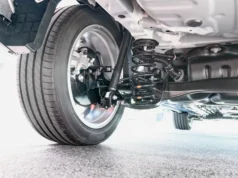
Main Components of a Car Suspension System
Understanding the key parts helps you detect problems early.
1. Shock Absorbers
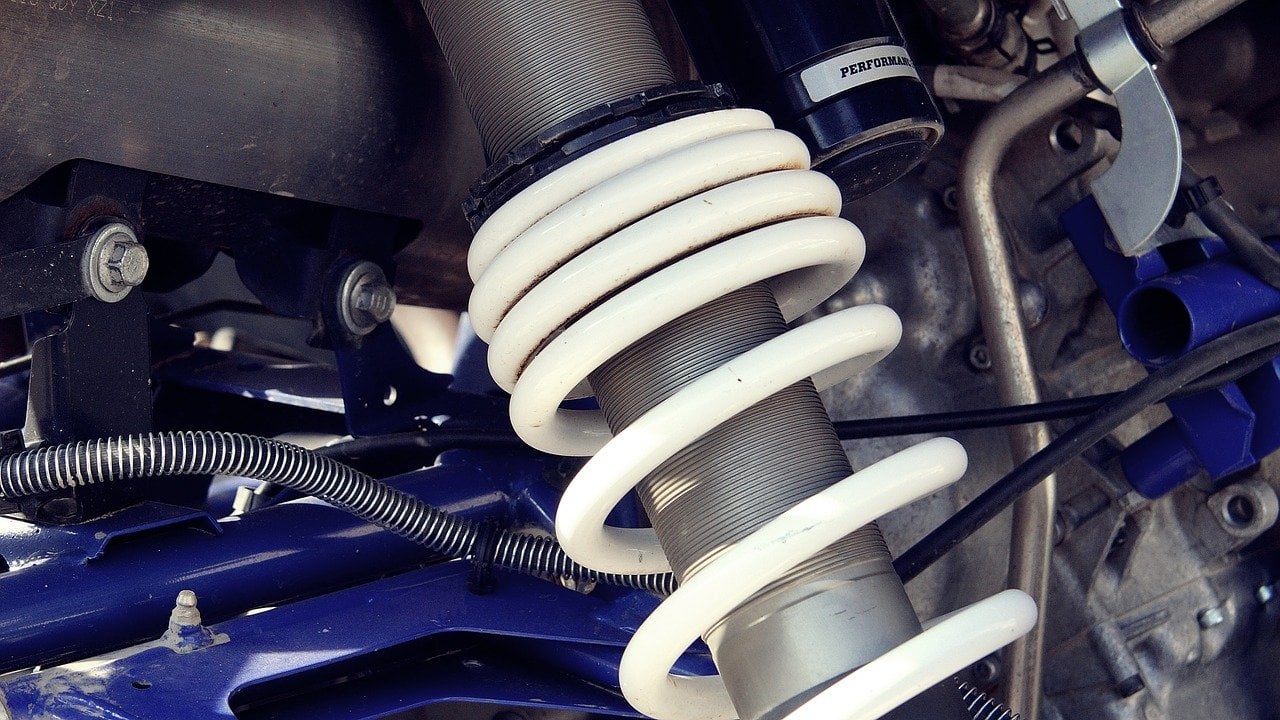
Shock absorbers control the rebound of springs and prevent excessive bouncing.
2. Struts
Struts combine shock absorption with structural support.
3. Springs
Springs support the vehicle’s weight and absorb impact from bumps.
4. Control Arms
These connect the wheel assembly to the vehicle frame.
5. Ball Joints
Ball joints allow pivoting movement for steering and suspension travel.
6. Sway Bars
Sway bars reduce body roll during cornering.
Each component plays a crucial role in maintaining vehicle balance and stability.
Types of Car Suspension Systems
Modern vehicles use different suspension designs.
Independent Suspension
Each wheel moves independently. Most passenger cars use this system for comfort and better handling.
Solid Axle (Dependent Suspension)
Common in trucks and SUVs. Durable and suitable for heavy loads.
Air Suspension
Luxury vehicles use adjustable air suspension for customizable ride height and comfort.
Adaptive Suspension
Advanced electronic systems adjust stiffness based on road conditions.
Brands like Ford, Toyota, Chevrolet, and BMW use different suspension technologies depending on model type.
Warning Signs of Suspension Problems
Early detection saves money and prevents accidents.
1. Rough or Bouncy Ride
If your vehicle continues bouncing after hitting a bump, your shocks may be worn.
2. Pulling to One Side
Suspension imbalance can cause steering drift.
3. Uneven Tire Wear
One of the most common indicators of suspension misalignment.
4. Nose Diving When Braking
Worn shocks allow excessive forward weight transfer.
5. Clunking or Knocking Noises
Usually caused by worn bushings or ball joints.
If you notice these symptoms, your car suspension system needs inspection immediately.
Average Car Suspension Repair Costs in the USA
Repair costs vary by location, vehicle type, and labor rates.
Here are general estimates:
- Shock replacement: $150–$600 per shock
- Strut replacement: $500–$1,500 per pair
- Control arm replacement: $400–$1,200
- Ball joint replacement: $200–$500
- Full suspension overhaul: $1,000–$5,000
Labor rates in major metro areas like San Francisco and Boston tend to be higher than national averages.
How Road Conditions Affect Car Suspension
Potholes
Major cause of suspension damage in urban cities.
Speed Bumps
Frequent braking and acceleration stress components.
Heavy Loads
Overloading vehicles reduces suspension lifespan.
Winter Salt and Moisture
Corrosion damages metal parts and bushings.
Off-Road Driving
Increases strain on shocks and springs.
Drivers in colder regions experience faster wear compared to mild climates.
Suspension Maintenance Schedule
Experts recommend:
- Inspection every 50,000 miles
- Check during tire rotation
- Alignment check after suspension repairs
- Immediate inspection after hitting a major pothole
Preventive care reduces long-term expenses.
Dealership vs Independent Repair Shop
Dealership
Pros:
- OEM parts
- Brand-trained technicians
Cons:
- Higher labor rates
Independent Shop
Pros:
- Affordable pricing
- Faster service
- Competitive part options
Most drivers choose trusted local repair shops for cost efficiency.
Suspension and Wheel Alignment
After suspension repairs, wheel alignment is crucial. Poor alignment causes:
- Steering pull
- Uneven tire wear
- Reduced fuel efficiency
Proper alignment ensures maximum suspension performance.
How Car Suspension Impacts Safety
Many drivers underestimate how much suspension affects:
- Emergency braking distance
- High-speed stability
- Wet road traction
- Cornering control
A failing suspension increases accident risk significantly.
In high-traffic cities like Dallas and Atlanta, stable handling is essential.
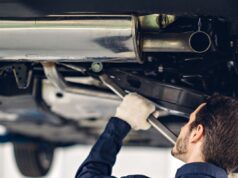
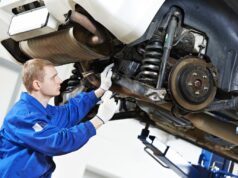
DIY vs Professional Repair
Suspension repair requires:
- Hydraulic lifts
- Torque calibration
- Alignment equipment
- Specialized tools
Improper installation can cause serious safety risks. Professional service is always recommended.
How to Extend the Life of Your Car Suspension
Here are practical tips:
- Avoid potholes whenever possible
- Maintain correct tire pressure
- Do not overload your vehicle
- Drive smoothly over speed bumps
- Get regular inspections
Simple driving habits significantly extend suspension lifespan.
When to Replace vs Repair
Sometimes parts can be replaced individually, but in other cases full suspension replacement is recommended.
Replace if:
- Mileage exceeds 100,000 miles
- Multiple components show wear
- Repeated repairs become expensive
A mechanic inspection determines the best approach.
Suspension and Resale Value
A well-maintained car suspension system:
- Improves ride quality
- Prevents uneven tire wear
- Boosts resale value
- Shows proper maintenance history
Buyers often test ride comfort before purchasing used vehicles.
Electric Vehicles and Suspension
Electric vehicles are heavier due to battery packs. This puts extra stress on suspension components.
Brands producing EVs must design stronger suspension systems to handle weight distribution.
Final Thoughts
Your car suspension is one of the most critical systems in your vehicle. It affects:
- Comfort
- Safety
- Handling
- Tire life
- Fuel efficiency
Ignoring suspension issues leads to costly repairs and increased accident risk.
No matter where you drive in the United States — from snowy northern roads to hot desert highways — maintaining your suspension ensures smoother rides and safer travel.
Regular inspections, responsible driving, and timely repairs will keep your vehicle stable and reliable for years.
If your vehicle feels unstable, bouncy, or noisy, don’t delay inspection. A properly functioning car suspension system protects both your investment and your safety.