
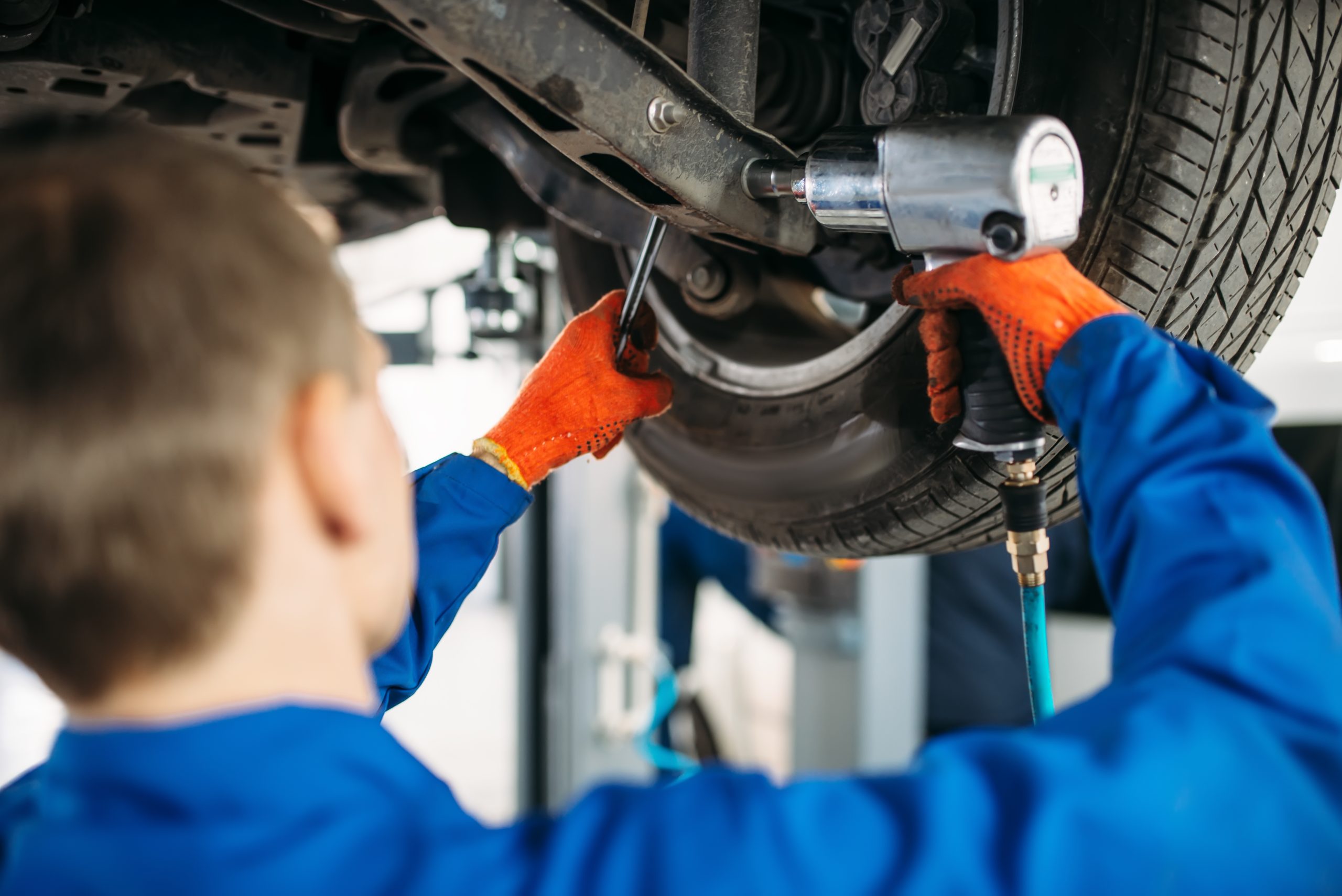
If your vehicle feels unstable, bounces over small bumps, or makes clunking noises while turning, it may be time to repair suspension car issues before they become dangerous. Across the United States, millions of drivers search every month for local suspension services because this system directly affects safety, comfort, and handling.
From icy winter streets in Chicago to heavy traffic highways in Los Angeles, busy intersections in New York City, and long open roads near Houston, your suspension system works constantly to keep your vehicle stable.
In this in-depth USA-focused guide, you’ll learn:
- What suspension repair includes
- Warning signs you need service immediately
- Average repair costs in the U.S.
- How to choose the best local shop
- Preventive maintenance tips
- When to repair vs replace
Let’s break everything down in a simple and informative way.
What Does It Mean to Repair Suspension Car Problems?
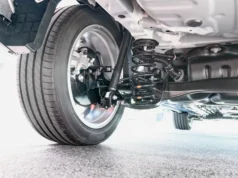
To repair suspension car issues means fixing or replacing components that control how your vehicle absorbs road impact and maintains tire contact with the ground.
Your suspension system includes:
- Shock absorbers
- Struts
- Springs
- Control arms
- Ball joints
- Bushings
- Sway bars
Each component plays a role in keeping your car balanced and safe.
When even one part fails, it can affect:
- Steering control
- Braking distance
- Tire wear
- Fuel efficiency
- Ride comfort
That’s why suspension repair should never be delayed.
Why Suspension Repairs Are Common in the USA
Driving conditions across America create heavy stress on suspension systems.
1. Pothole Damage
Urban roads often have potholes that damage shocks and control arms.
2. Extreme Weather
Snow, ice, road salt, and heat impact rubber bushings and metal components.
3. Long Commutes
Drivers in metro areas travel long distances daily.
4. Heavy Vehicles
SUVs and trucks dominate the U.S. market and put extra strain on suspension parts.
Cities like Philadelphia, Dallas, Phoenix, and Atlanta all experience different road challenges that accelerate suspension wear.
Top Signs You Need to Repair Suspension Car Issues
Here are the most common warning signs:
1. Excessive Bouncing
If your car keeps bouncing after hitting a bump, shocks or struts are likely worn.
2. Vehicle Pulling to One Side
This could mean suspension imbalance or alignment problems.
3. Nose Diving While Braking
Worn suspension allows weight to shift forward excessively.
4. Uneven Tire Wear
A major sign of suspension or alignment problems.
5. Clunking or Knocking Sounds
Often caused by worn ball joints or bushings.
6. Steering Feels Loose
Loss of steering precision may indicate suspension damage.
If you notice any of these, it’s time to repair suspension car problems before they get worse.
Suspension Repair vs Suspension Replacement
Not every issue requires full system replacement.
Minor Repairs Include:
- Replacing a single shock
- Installing new bushings
- Changing ball joints
Major Repairs Include:
- Replacing full strut assemblies
- Control arm replacement
- Complete suspension overhaul
A professional inspection determines the best solution.
Average Cost to Repair Suspension Car in the USA
Repair costs depend on vehicle type and location.
Here are national average estimates:
- Shock replacement: $150–$600 each
- Strut replacement: $600–$1,500 per pair
- Control arm replacement: $400–$1,200
- Ball joint replacement: $200–$500
- Full suspension repair: $1,000–$5,000
Labor costs are generally higher in large metro areas such as San Francisco and Boston.
Dealership vs Local Repair Shop
When you need to repair suspension car issues, you typically choose between:
Dealership Service
Pros:
- OEM parts
- Brand-certified technicians
Cons:
- Higher cost
- Longer waiting time
Independent Auto Repair Shop
Pros:
- Competitive pricing
- Faster service
- Personalized customer care
Many American drivers prefer independent shops for suspension repair.
Popular Vehicle Brands and Suspension Differences
Different automakers use different suspension designs.
For example:
- Ford trucks often use heavy-duty suspension systems.
- Toyota vehicles are known for reliability but still require maintenance.
- Chevrolet SUVs often carry heavy loads.
- Honda sedans use comfort-focused suspension setups.
Choosing a mechanic familiar with your vehicle brand ensures accurate repairs.
How Suspension Problems Affect Safety
A damaged suspension system can:
- Increase braking distance
- Reduce cornering stability
- Cause tire blowouts
- Reduce traction on wet roads
- Increase rollover risk in SUVs
In high-traffic areas like Miami or Seattle, suspension stability is critical for safe driving.
Wheel Alignment and Suspension Repair
After you repair suspension car components, wheel alignment is essential.
Improper alignment leads to:
- Uneven tire wear
- Poor fuel efficiency
- Steering wheel vibration
Always confirm alignment service after major suspension work.
Preventive Maintenance Tips
To avoid frequent suspension repairs:
- Avoid potholes whenever possible
- Maintain proper tire pressure
- Don’t overload your vehicle
- Inspect suspension every 50,000 miles
- Replace worn parts early
Preventive maintenance reduces long-term repair costs.
How Long Does Suspension Repair Take?
Repair time varies:
- Shock replacement: 1–2 hours
- Strut replacement: 2–4 hours
- Control arm replacement: 2–3 hours
- Full suspension repair: 1–2 days
Always ask your mechanic for a time estimate before approving service.
DIY vs Professional Suspension Repair
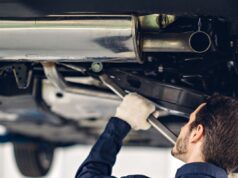
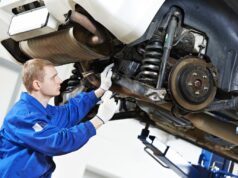
Suspension repair requires:
- Specialized tools
- Vehicle lift equipment
- Torque specifications
- Alignment systems
Incorrect installation can compromise safety. Professional service is strongly recommended.
When to Replace the Entire Suspension System
Consider full replacement if:
- Vehicle exceeds 100,000 miles
- Multiple components are failing
- Ride quality has significantly deteriorated
- Repair costs exceed vehicle value
A certified mechanic can inspect and recommend the best option.
Suspension Repair and Resale Value
A properly maintained suspension:
- Improves resale value
- Shows responsible maintenance
- Provides smoother test drives for buyers
- Prevents negotiation price reductions
Buyers often notice ride comfort during test drives.
Electric and Hybrid Vehicles
Electric vehicles are heavier due to battery packs. This puts additional strain on suspension components.
Modern EV suspension systems are designed to handle weight distribution, but regular inspections remain important.
Final Thoughts
Choosing to repair suspension car issues quickly is one of the smartest decisions you can make as a vehicle owner in the United States.
Your suspension system directly impacts:
- Safety
- Comfort
- Handling
- Tire life
- Fuel efficiency
Ignoring early warning signs leads to higher repair costs and increased accident risk.
No matter where you drive — from snowy northern highways to hot southern roads — maintaining a healthy suspension system ensures stability and smooth performance.
If you notice unusual noises, bouncing, uneven tire wear, or steering instability, schedule an inspection immediately.
A properly functioning suspension system protects your vehicle, your passengers, and your peace of mind.