
A smooth and stable ride depends on a properly functioning car suspension system. This system absorbs shocks, keeps your tires in contact with the road, and ensures safe handling. When problems develop, you must repair suspension car components immediately to avoid safety risks and costly damage.
This comprehensive guide explains how the car suspension system works, the most important car suspension parts, common warning signs, repair processes, costs, and maintenance tips. The content is easy to read, skimmable, and packed with practical information.
What Is a Car Suspension System?
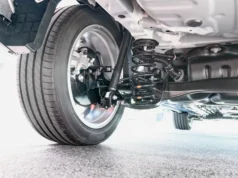
The car suspension system is the network of components that connects your vehicle to its wheels. It controls motion, absorbs impact, and supports the vehicle’s weight.
Without suspension, every bump would transfer directly to the cabin. Steering would feel unstable, and braking would become dangerous.
Main Functions of a Car Suspension System
A healthy system:
- Absorbs road shocks and vibrations
- Maintains tire contact with the road
- Improves steering precision
- Supports vehicle weight evenly
- Reduces body roll during turns
- Enhances braking stability
Every modern vehicle depends on this system for safety and comfort.
Types of Car Suspension Systems
Manufacturers use different designs depending on the vehicle type and purpose.
1. Independent Suspension
Each wheel moves independently. This setup improves ride comfort and handling performance. Most passenger cars use independent suspension in the front.
2. Dependent Suspension
Both wheels connect through a solid axle. Trucks and heavy-duty vehicles often use this system because it handles heavy loads well.
3. Air Suspension
Air-filled bags replace traditional springs. Drivers can adjust ride height, and the system provides superior comfort.
Regardless of the type, every car suspension system requires regular inspection and maintenance.
Essential Car Suspension Parts Explained
Understanding key car suspension parts helps you recognize problems early and make informed repair decisions.
Shocks and Struts
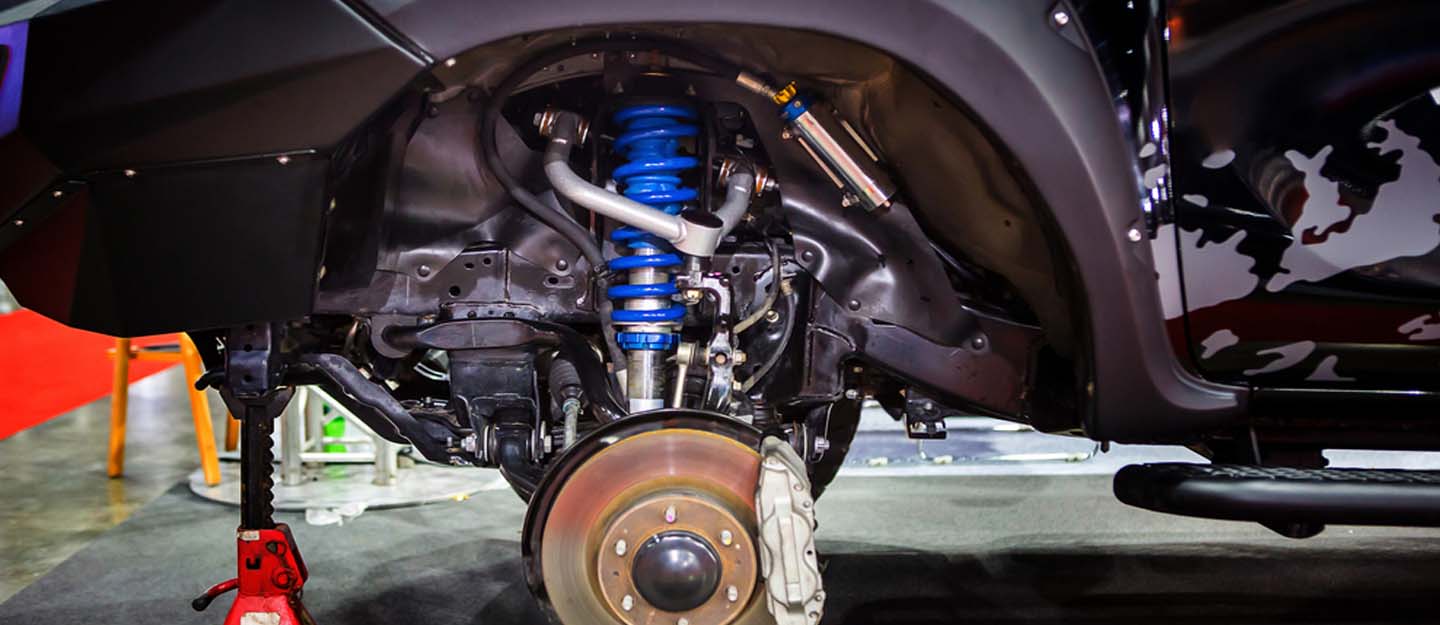
Shocks and struts control spring movement. They prevent excessive bouncing and stabilize the vehicle after hitting bumps.
- Shocks absorb impact
- Struts combine shock absorption and structural support
Worn shocks often lead to immediate car suspension repair needs.
Springs
Springs support the vehicle’s weight and absorb energy from road impacts.
Common types include:
- Coil springs
- Leaf springs
- Torsion bars
Broken or sagging springs reduce ride height and stability.
Control Arms
Control arms connect the wheels to the vehicle frame. They allow controlled up-and-down movement.
Ball Joints
Ball joints enable smooth steering and suspension movement. When worn, they create clunking noises and unsafe steering behavior.
Bushings
Bushings reduce friction and vibration between metal components.
Sway Bar (Stabilizer Bar)
The sway bar minimizes body roll when turning at higher speeds.
Each of these car suspension parts must work together to ensure safe performance.
Car Suspension Near You
Signs You Need Car Suspension Repair
Recognizing warning signs early helps you repair suspension car components before damage spreads.
1. Rough or Bumpy Ride
If you feel every bump, your shocks or struts may be worn.
2. Vehicle Pulling to One Side
Uneven suspension wear can cause alignment issues.
3. Uneven Tire Wear
Bad suspension places uneven pressure on tires.
4. Nose Diving When Braking
If the front of the car dips excessively, shocks may be failing.
5. Clunking or Knocking Sounds
Loose or damaged car suspension parts often create unusual noises.
6. Steering Feels Loose
Worn ball joints or control arms affect steering precision.
If you notice these symptoms, schedule car suspension repair immediately.
Common Reasons You Must Repair Suspension Car Systems
Suspension problems develop gradually. The most common causes include:
- Normal wear and tear
- Driving on rough roads
- Hitting potholes
- Overloading the vehicle
- Poor maintenance
Ignoring small issues leads to bigger failures.
Why Immediate Car Suspension Repair Is Critical
Delaying repairs puts your safety at risk.
Increased Accident Risk
A damaged car suspension system reduces tire grip and steering control.
Higher Tire Costs
Uneven suspension causes rapid tire wear.
Poor Fuel Efficiency
Misalignment increases rolling resistance.
Damage to Other Components
Failing car suspension parts stress other vehicle systems.
When you repair suspension car issues early, you avoid costly chain reactions.
Step-by-Step Car Suspension Repair Process
Professional technicians follow a structured process to ensure reliable results.
Step 1: Visual Inspection
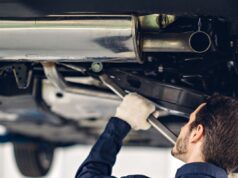
The mechanic checks all visible car suspension parts for cracks, leaks, and wear.
Step 2: Road Test
A test drive helps identify abnormal noises, vibrations, and steering issues.
Step 3: Diagnostic Testing
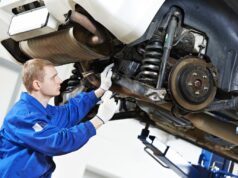
Technicians lift the vehicle and inspect shocks, ball joints, control arms, and bushings.
Step 4: Component Replacement
They replace damaged parts with quality replacements.
Step 5: Wheel Alignment
Proper alignment ensures the car suspension system performs correctly after repair.
Step 6: Final Safety Check
A second road test confirms that the car suspension repair solved the issue.
Cost of Car Suspension Repair
The cost depends on the problem, vehicle type, and labor rates.
Average Repair Costs
- Shock replacement: Moderate expense
- Strut replacement: Higher than shocks
- Control arm replacement: Expensive
- Full suspension overhaul: Significant investment
Factors Affecting Cost
- Vehicle make and model
- Type of car suspension system
- Quality of car suspension parts
- Labor charges
Regular inspections help you avoid major expenses.
DIY vs Professional Suspension Repair
Some vehicle owners attempt basic repairs at home. However, suspension systems involve heavy components and specialized tools.
When DIY May Work
- Inspecting visible damage
- Replacing minor bushings
When You Should Hire a Professional
- Replacing struts or springs
- Working with compressed coil springs
- Performing alignment adjustments
- Diagnosing complex steering issues
Professional car suspension repair ensures safety and proper installation.
How Long Does a Car Suspension System Last?
Most systems last between 50,000 and 100,000 miles. However, driving conditions heavily influence lifespan.
Frequent driving on rough roads shortens suspension life. Smooth highways extend it.
Regular maintenance helps you delay the need to repair suspension car components.
Preventive Maintenance Tips
You can extend suspension lifespan with simple habits.
Inspect Regularly
Schedule suspension checks at least once a year.
Maintain Tire Pressure
Proper tire pressure reduces stress on car suspension parts.
Rotate Tires
Tire rotation promotes even wear and reduces suspension strain.
Avoid Potholes
Slow down on rough roads whenever possible.
Replace Worn Parts Early
Do not delay small repairs.
Preventive care reduces the need for frequent car suspension repair.
How Suspension Affects Overall Vehicle Performance
A healthy car suspension system improves:
- Braking efficiency
- Steering accuracy
- Passenger comfort
- Tire longevity
- Fuel efficiency
When suspension fails, the entire driving experience suffers.
Frequently Asked Questions
Can I Drive With a Bad Suspension?
Driving with damaged suspension increases stopping distance and accident risk. You should repair suspension car problems immediately.
How Often Should I Inspect My Suspension?
Inspect it annually or whenever you notice performance changes.
Do All Vehicles Use the Same Suspension Design?
No. Each car suspension system varies depending on vehicle design and purpose.
Final Thoughts
Your vehicle’s car suspension system plays a vital role in safety, comfort, and performance. When warning signs appear, do not ignore them. Prompt car suspension repair protects essential car suspension parts and prevents expensive future damage.
If you notice uneven tire wear, rough rides, or unusual noises, act quickly. When you repair suspension car components on time, you maintain control, extend vehicle life, and ensure safer driving conditions.
Regular inspections, responsible driving habits, and quality repairs keep your suspension system in top condition. A well-maintained suspension does more than improve comfort — it protects you every time you drive.