
Introduction
Your vehicle’s suspension system does far more than make your ride comfortable. It plays a critical role in safety, steering precision, braking stability, and overall vehicle control. If you’ve recently searched for “suspension repair near me,” your vehicle may already be showing early warning signs of suspension wear.
Every time you drive, your suspension absorbs impact from potholes, speed bumps, rough pavement, and uneven road surfaces. Without a properly functioning suspension system, your car cannot maintain consistent tire contact with the road. That loss of stability directly affects braking distance, steering responsiveness, and overall driving confidence.
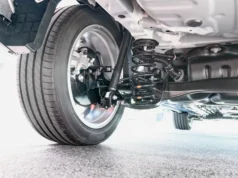
Modern suspension systems include multiple interconnected components such as:
- Shocks and struts
- Coil springs
- Control arms
- Ball joints
- Sway bars
- Bushings
- Tie rods
When one part begins to fail, it puts additional stress on the rest of the system. Over time, minor wear turns into major mechanical problems. Timely auto suspension repair prevents costly breakdowns and ensures your vehicle remains safe, stable, and efficient.
This comprehensive guide explains:
- Why a healthy suspension system is essential
- The most common signs that you need suspension repair
- How to find a reliable suspension repair shop near you
By understanding these factors, you can make informed decisions and protect both your vehicle and your safety.
Importance of a Healthy Vehicle Suspension System
Your suspension system works continuously from the moment you start driving. Unlike other systems that activate occasionally, suspension components endure constant movement and pressure. Maintaining a healthy suspension system is not optional — it is essential.
Below are the key reasons why suspension health matters.
1. Maintains Road Contact and Traction
The primary job of your suspension system is to keep your tires firmly connected to the road surface. Consistent tire contact ensures:
- Proper traction
- Stable cornering
- Effective braking
- Controlled acceleration
When shocks or struts wear out, your tires begin to bounce instead of gripping the road. Reduced traction increases stopping distance and decreases vehicle control, especially in rain or snow.
A properly functioning suspension system keeps your vehicle planted and predictable under all driving conditions.
2. Improves Steering Control
Your steering system and suspension system work together. Worn suspension components can cause:
- Loose steering
- Delayed steering response
- Drifting or pulling
- Excessive body roll during turns
When suspension parts fail, your vehicle may feel unstable or difficult to control. Immediate suspension repair restores steering precision and driving confidence.
3. Enhances Braking Performance
Many drivers do not realize that suspension wear directly affects braking distance. When the suspension cannot stabilize the vehicle, weight shifts unevenly during braking. This imbalance reduces braking efficiency.
Common braking-related suspension symptoms include:
- Nose diving when braking
- Rear-end lift
- Increased stopping distance
Replacing worn shocks, struts, or springs improves braking stability and shortens stopping time.
4. Prevents Uneven Tire Wear
Worn suspension components cause irregular tire contact. Over time, this leads to:
- Cupping
- Feathering
- Bald spots
- Rapid tread wear
Uneven tire wear reduces tire lifespan and compromises safety. Scheduling suspension repair early helps extend tire life and saves money on premature replacements.
5. Protects Other Vehicle Systems
A failing suspension does not operate in isolation. It creates strain on:
- Steering components
- Wheel bearings
- Brakes
- Axles
- Alignment systems
Ignoring suspension issues often leads to more expensive repairs. Proactive maintenance reduces long-term mechanical damage.
6. Improves Ride Comfort
Comfort may seem secondary to safety, but it still matters. Functional shocks and struts absorb road impact and vibration. Without them, every bump feels harsh.
A healthy suspension system provides:
- Smooth handling
- Reduced cabin vibration
- Comfortable long-distance driving
- Better passenger experience
Comfort and control go hand in hand.
Signs You Need Suspension Repair
Suspension problems usually develop gradually. Many drivers ignore early warning signs until the issue becomes severe. Recognizing symptoms early can prevent costly repairs and dangerous driving conditions.
Here are the most common signs that indicate you need professional suspension repair.
1. Rough or Bouncy Ride
If your vehicle continues bouncing after driving over a bump, your shocks or struts may be worn. A simple bounce test can help identify this issue:
- Push down firmly on the front or rear of your parked vehicle.
- Release quickly.
- If the car bounces more than two to three times, the shocks likely need replacement.
Excessive bouncing reduces tire grip and increases braking distance.
2. Vehicle Pulls to One Side
If your vehicle drifts while driving straight, your suspension system may have worn control arms, ball joints, or bushings.
Although alignment issues can cause pulling, worn suspension components often contribute to misalignment. A professional inspection determines the root cause.
3. Uneven Tire Wear
Inspect your tires regularly. Look for:
- Scalloped tread patterns
- Bald patches
- More wear on one side
These patterns indicate suspension imbalance. Replacing suspension parts restores even tire contact.
4. Nose Diving During Braking
If the front of your vehicle dips sharply when braking, worn front shocks or struts may be responsible. This issue reduces control during sudden stops and increases safety risks.
5. Clunking, Knocking, or Rattling Noises
Unusual sounds when driving over bumps often signal worn suspension components such as:
- Ball joints
- Control arms
- Sway bar links
- Bushings
Ignoring these noises can lead to component separation and serious damage.
6. Steering Feels Loose or Unstable
If steering feels vague or imprecise, your suspension system may no longer stabilize the vehicle effectively. Excessive body roll during turns is another clear warning sign.
7. Visible Fluid Leaks on Shocks or Struts
Shocks and struts contain hydraulic fluid. If you notice oily residue around these components, they likely need replacement.
8. One Corner of the Vehicle Sits Lower
A sagging corner often indicates a broken spring. Driving with a damaged spring can cause severe mechanical damage and unsafe handling.
If you notice any of these signs, schedule suspension repair immediately. Delaying repairs increases risk and expense.
How to Find Reliable Suspension Repair Near You
When you search for “suspension repair near me,” you will see many local options. Choosing the right suspension shop requires careful evaluation.
Here’s how to identify a trustworthy repair provider.
1. Look for Certified Technicians
Choose shops that employ ASE-certified mechanics. Certified technicians have proven expertise in diagnosing and repairing suspension systems accurately.
Professional training ensures proper installation of suspension parts and correct torque specifications.
2. Check Online Reviews and Ratings
Customer feedback provides valuable insight. Look for shops with:
- Consistently high ratings
- Detailed customer testimonials
- Transparent communication
- Fair pricing practices
Avoid shops with repeated complaints about misdiagnosis or upselling.
3. Request a Full Suspension Inspection
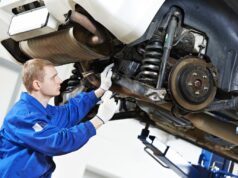
Reliable shops perform comprehensive inspections before recommending repairs. A proper inspection includes:
- Checking shocks and struts
- Inspecting ball joints and control arms
- Evaluating bushings and sway bars
- Testing steering response
- Examining tire wear patterns
Accurate diagnostics prevent unnecessary repairs.
4. Compare Transparent Pricing
A reputable suspension repair shop provides:
- Written estimates
- Clear breakdown of labor costs
- Detailed parts pricing
- No hidden fees
Ask about OEM versus aftermarket suspension parts and choose based on durability and budget.
5. Ask About Warranties
Quality shops stand behind their work. Look for warranties that cover:
- Replacement suspension parts
- Labor
- Installation workmanship
Warranty protection offers peace of mind and reflects service quality.
6. Evaluate Equipment and Technology
Modern suspension systems require specialized tools for accurate diagnosis and repair. Choose a shop equipped with:
- Alignment machines
- Digital diagnostic tools
- Lift systems for full undercarriage inspection
Advanced equipment ensures precise repairs.
7. Prioritize Local Reputation
Local suspension repair shops rely on community trust. A well-established shop with years of service often delivers more consistent results than a newly opened facility.
8. Schedule Preventive Inspections
Do not wait for major symptoms. Schedule routine suspension inspections every 50,000 miles or sooner if you frequently drive on rough roads.
Preventive maintenance reduces long-term repair costs.
Why Immediate Suspension Repair Saves Money
Many drivers delay suspension repairs because the vehicle still moves. However, postponing service often leads to:
- Premature tire replacement
- Steering system damage
- Brake wear
- Wheel misalignment
- Increased fuel consumption
Fixing suspension issues early reduces overall repair expenses and maintains vehicle value.
What to Expect During Auto Suspension Repair
Understanding the repair process helps you make informed decisions.
A typical suspension repair appointment includes:
- Diagnostic inspection
- Identification of worn components
- Written estimate
- Replacement of damaged suspension parts
- Wheel alignment (if required)
- Road test verification
Repair time depends on the extent of damage. Minor repairs may take a few hours, while major replacements may require a full day.
The Bottom Line
Your suspension system protects your safety, comfort, and vehicle longevity. Ignoring early warning signs can result in higher repair costs and dangerous driving conditions.
If your car feels unstable, makes unusual noises, or shows uneven tire wear, do not delay service. Search for a trusted suspension repair near you and schedule a professional inspection.
A reliable suspension shop will:
- Diagnose the issue accurately
- Use quality suspension parts
- Restore ride stability
- Improve braking and steering control
- Protect your vehicle investment
Timely auto suspension repair keeps your vehicle safe, smooth, and road-ready for every journey.