
Introduction
Your vehicle’s performance depends on more than just the engine and brakes. One of the most important yet often overlooked systems is the car suspension. This system directly affects your safety, ride comfort, steering control, and overall driving experience.
Many drivers only think about suspension when they hear clunking noises or feel excessive bouncing. By that point, the issue may already be serious. Understanding how the suspension works and knowing the average car suspension repair cost can help you prevent major breakdowns, reduce long-term expenses, and maintain full control of your vehicle.
In this comprehensive guide, you will learn:
- What a car suspension system is
- Why it is critical for safety and comfort
- What causes suspension damage
- How much it costs to repair suspension car components
- Why early repairs save money
This information helps you make smart maintenance decisions and avoid costly surprises.
What Is a Car Suspension System?
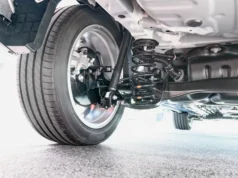
A car suspension system is the mechanical system that connects your vehicle to its wheels. It allows controlled movement between the car body and the road surface. The suspension absorbs shocks from bumps, potholes, and uneven terrain while maintaining stability and tire contact.
In simple terms, suspension keeps your ride smooth and safe.
Without a properly functioning suspension system, driving would feel unstable, uncomfortable, and dangerous.
Main Functions of a Car Suspension
The suspension system performs several essential functions:
1. Shock Absorption
It absorbs road impacts and reduces vibrations entering the cabin.
2. Vehicle Stability
It keeps the vehicle balanced during turns, braking, and acceleration.
3. Tire Contact
It ensures tires remain firmly in contact with the road surface for maximum traction.
4. Load Support
It supports the weight of the vehicle and passengers.
5. Steering Control
It improves steering response and handling precision.
When any component fails, you may need to repair suspension car parts immediately to maintain safety.
Key Components of a Car Suspension System
To understand repair costs, you must first understand the major components.
Car Shocks (Shock Absorbers)
Car shocks control the movement of the springs and reduce bouncing. They stabilize the vehicle after hitting bumps.
When shocks wear out, your vehicle may:
- Bounce excessively
- Dip forward while braking
- Feel unstable at high speeds
Replacing worn shocks is one of the most common suspension repairs.
Springs
Springs carry the weight of the vehicle and absorb vertical movement. Different vehicles use different types of springs, including coil springs and leaf springs.
Struts
Struts combine a shock absorber with structural support. Many modern vehicles use struts instead of separate shocks.
Control Arms
Control arms connect the wheels to the vehicle frame and allow controlled movement.
Ball Joints and Bushings
These smaller components reduce friction and allow smooth suspension motion.
If any of these parts wear out, it increases the overall car suspension repair cost.
Why Car Suspension Is Critical for Safety
Many drivers underestimate the safety importance of suspension. In reality, it plays a major role in accident prevention.
Improved Braking Performance
A healthy suspension keeps tires pressed against the road. This improves braking power and reduces stopping distance.
Worn car shocks can increase braking distance, especially in wet or slippery conditions.
Better Steering Control
Your suspension stabilizes the vehicle during turns. If it fails, your car may:
- Pull to one side
- Drift while cornering
- Feel loose or unstable
Poor steering response increases accident risk.
Enhanced Road Grip
Proper suspension maintains consistent tire contact with the road. This improves traction and handling.
Reduced Risk of Tire Blowouts
Uneven suspension causes uneven tire wear. Worn tires increase the risk of blowouts at high speeds.
For these reasons, delaying repairs can become extremely dangerous.
Why Car Suspension Is Essential for Comfort
Comfort directly depends on suspension performance.
A well-maintained suspension:
- Absorbs bumps smoothly
- Reduces vibration
- Prevents harsh jolts
- Minimizes road noise
If your ride feels rough on normal roads, your suspension likely needs attention.
Common warning signs include:
- Continuous bouncing after hitting a bump
- Knocking or clunking sounds
- Uneven tire wear
- Vehicle leaning during turns
- Nose-diving during braking
Ignoring these symptoms increases the cost to repair suspension car components later.
Common Causes of Suspension Damage
Understanding what causes damage helps you prevent expensive repairs.
1. Potholes and Rough Roads
Frequent driving over potholes damages shocks, struts, and control arms.
2. Overloading the Vehicle
Excess weight strains springs and shocks.
3. Aggressive Driving
Hard braking and fast cornering accelerate wear.
4. Lack of Maintenance
Ignoring early signs allows small issues to become major failures.
5. Normal Wear and Tear
Most car shocks last between 50,000 and 100,000 kilometers, depending on driving conditions.
Car Suspension Repair Cost Breakdown
Understanding average pricing helps you budget effectively.
Average Car Suspension Repair Cost
The typical car suspension repair cost depends on:
- Vehicle type
- Labor rates
- Parts quality
- Extent of damage
Minor repairs may cost significantly less than full suspension replacements.
Car Shocks Replacement Cost
Replacing car shocks is one of the most frequent repairs.
Costs vary depending on:
- Front vs rear shocks
- Single shock vs full set
- Labor charges
Replacing all four shocks ensures balanced performance and long-term reliability.
Cost to Repair Suspension Car by Component
Here is a general cost breakdown by part:
Shock Absorber Replacement
Moderate cost depending on vehicle type.
Strut Replacement
Usually higher cost because struts combine multiple components.
Spring Replacement
Cost varies based on spring type.
Control Arm Repair
Often more expensive due to labor complexity.
Ball Joint Replacement
Moderate cost but essential for safety.
The final car suspension repair cost includes both parts and labor.
Factors That Affect Suspension Repair Cost
Several factors influence repair pricing:
Vehicle Make and Model
Luxury vehicles often require more expensive parts.
OEM vs Aftermarket Parts
Original manufacturer parts cost more but offer better durability.
Labor Rates
Repair costs vary by region and workshop.
Extent of Damage
Ignoring early problems increases total repair expenses.
DIY vs Professional Suspension Repair
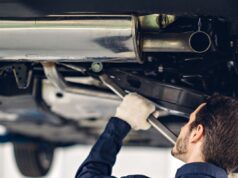
Some minor suspension tasks are possible at home. However, most suspension repairs require professional tools and expertise.
Suspension systems involve high-tension springs and heavy components. Incorrect installation can cause serious injury.
Professional mechanics:
- Diagnose issues accurately
- Ensure proper alignment
- Provide warranty on repairs
For safety reasons, it is often better to hire a professional to repair suspension car systems.
How to Reduce Car Suspension Repair Cost
You can lower repair expenses by following preventive measures.
Schedule Regular Inspections
Routine checks identify problems early.
Replace Car Shocks on Time
Timely replacement prevents additional damage.
Avoid Rough Driving
Drive slowly over potholes and speed bumps.
Maintain Proper Tire Pressure
Correct tire pressure reduces suspension strain.
Perform Wheel Alignment
Regular alignment protects suspension components.
Preventive maintenance always costs less than emergency repairs.
What Happens If You Ignore Suspension Problems?
Ignoring suspension issues leads to:
- Increased tire replacement costs
- Poor fuel efficiency
- Brake system damage
- Steering component wear
- Higher long-term repair bills
A small issue with car shocks can eventually damage multiple components, multiplying your total car suspension repair cost.
How Long Do Suspension Components Last?
Most suspension components have different lifespans:
- Car shocks: 50,000–100,000 km
- Struts: Similar to shocks
- Ball joints: 70,000–150,000 km
- Control arms: Varies widely
Driving conditions and maintenance habits directly affect lifespan.
When Should You Repair Suspension Car Issues?
You should inspect your suspension immediately if you notice:
- Excessive bouncing
- Steering instability
- Clunking sounds
- Uneven tire wear
- Vehicle leaning
Delaying repairs increases safety risks and overall costs.
Final Thoughts
Your car suspension system plays a critical role in safety, comfort, and performance. It keeps your tires connected to the road, stabilizes steering, and absorbs shocks from rough surfaces.
Understanding the average car suspension repair cost allows you to budget properly and avoid unexpected expenses. Timely repairs protect your vehicle, improve driving comfort, and ensure maximum road safety.
If you notice signs of worn car shocks or other suspension problems, take action immediately. Repairing suspension car components early saves money and prevents major mechanical damage.
Regular maintenance is always cheaper than full system replacement. Stay proactive, inspect your suspension regularly, and prioritize safety on every drive.