
Introduction to Car Suspension System
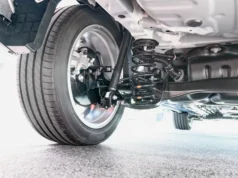
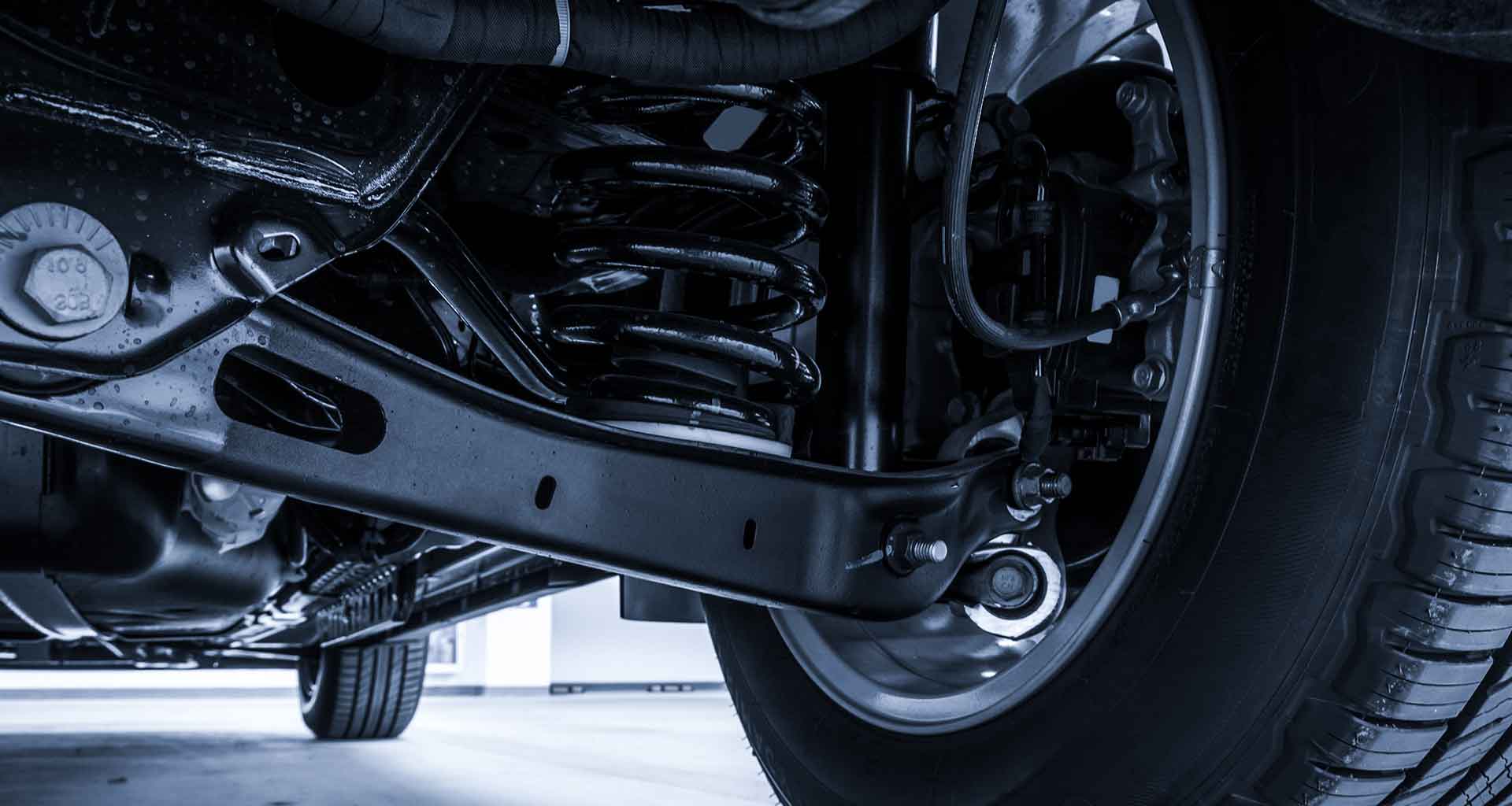
The car suspension system plays a critical role in vehicle safety, comfort, and performance. It connects the wheels to the vehicle body and allows controlled movement between them. This system absorbs shocks, maintains stability, and ensures proper tire contact with the road.
When you drive on rough roads, potholes, or speed bumps, the suspension system absorbs the impact and prevents it from transferring directly to the vehicle cabin. This process ensures a smooth and comfortable ride.
A well-functioning suspension system also improves steering control, braking efficiency, and overall driving safety. Without it, driving would feel unstable, uncomfortable, and dangerous.
Modern vehicles use advanced car suspension parts designed to deliver maximum comfort, durability, and handling performance.
What is a Suspension System in a Car?
A suspension system is a combination of components that connect the wheels to the vehicle frame. It allows the wheels to move independently while keeping the vehicle stable.
The system manages the forces generated when the vehicle moves over uneven surfaces. It absorbs shocks and vibrations while maintaining tire contact with the road.
Main Functions of a Suspension System
The suspension system performs several essential functions:
1. Absorbs Road Shocks
It reduces the impact of bumps, potholes, and rough surfaces.
2. Maintains Tire Contact
It keeps tires firmly in contact with the road for better traction.
3. Improves Stability
It prevents excessive body movement during turns and braking.
4. Enhances Comfort
It reduces vibrations felt inside the vehicle.
5. Supports Vehicle Weight
It carries and distributes the vehicle’s weight evenly.
Without a proper suspension system, vehicles would lose stability and control easily.
How Car Suspension System Works
The car suspension system works by controlling the movement of springs and dampers to absorb impact energy. It minimizes vibrations and ensures smooth wheel movement.
Here is how the system works step by step:
Step 1: Wheel Encounters a Bump
When a wheel hits a bump or pothole, it moves upward due to the force of impact.
Step 2: Spring Compresses
The spring compresses and absorbs most of the energy generated by the impact.
Springs store this energy temporarily.
Step 3: Shock Absorber Controls Motion
The shock absorber slows down the spring movement and prevents excessive bouncing.
It converts kinetic energy into heat and dissipates it safely.
Step 4: Wheel Returns to Normal Position
The suspension system allows the wheel to return smoothly to its original position.
Step 5: Tire Maintains Road Contact
The tire remains in contact with the road, ensuring stability and control.
This process improves:
- Driving comfort
- Vehicle stability
- Steering control
- Road safety
Main Car Suspension Parts and Their Functions
The car suspension system consists of several important components. Each part plays a specific role in ensuring smooth and stable vehicle operation.
1. Shock Absorbers
Shock absorbers control the movement of springs and reduce vibrations.
Functions:
- Reduce bouncing
- Improve ride comfort
- Maintain tire contact
- Enhance vehicle control
Shock absorbers are essential for safe driving.
2. Springs
Springs absorb and store energy from road impacts.
Types of Springs:
Coil Springs
Most common in passenger cars. They provide good comfort and flexibility.
Leaf Springs
Common in trucks and heavy vehicles. They handle heavy loads effectively.
Air Springs
Used in luxury vehicles. They provide adjustable comfort and ride height.
3. Struts
Struts combine a shock absorber and spring into a single unit.
Functions:
- Absorb shocks
- Support vehicle structure
- Improve suspension strength
- Enhance handling
Most modern cars use struts in the front suspension.
4. Control Arms
Control arms connect the wheel assembly to the vehicle frame.
Functions:
- Allow vertical wheel movement
- Maintain proper wheel alignment
- Support suspension structure
They ensure smooth wheel motion.
5. Ball Joints
Ball joints connect control arms to the steering system.
Functions:
- Allow wheel rotation
- Enable smooth steering
- Support suspension movement
They function like joints in the human body.
6. Sway Bar (Anti-Roll Bar)
The sway bar connects both sides of the suspension.
Functions:
- Reduce body roll
- Improve cornering stability
- Increase vehicle balance
It improves safety during turns.
7. Bushings
Bushings are rubber components placed between suspension parts.
Functions:
- Reduce friction
- Absorb vibrations
- Improve comfort
They also reduce noise.
Types of Car Suspension Systems
Different vehicles use different suspension designs based on performance and comfort requirements.
1. Independent Suspension
In independent suspension, each wheel moves separately.
Advantages:
- Better comfort
- Improved handling
- Increased stability
This system is common in modern cars.
2. Dependent Suspension
Dependent suspension connects both wheels using a solid axle.
Advantages:
- Strong and durable
- Suitable for heavy loads
This system is common in trucks and SUVs.
3. Semi-Independent Suspension
This system combines features of independent and dependent suspension.
Advantages:
- Affordable
- Balanced performance
- Easy maintenance
Many economy cars use this system.
4. Air Suspension System
Air suspension uses air-filled bags instead of metal springs.
Advantages:
- Superior ride comfort
- Adjustable ride height
- Improved performance
Luxury vehicles often use air suspension.
5. Multi-Link Suspension
Multi-link suspension uses multiple arms to control wheel movement.
Advantages:
- Excellent stability
- Precise handling
- Better ride quality
High-performance vehicles use this system.
Signs of a Bad Suspension System
A damaged suspension system can reduce safety and comfort. You should recognize the warning signs early.
Common Symptoms Include:
1. Rough or Bumpy Ride
If the ride feels uncomfortable, the suspension may be worn.
2. Excessive Bouncing
Worn shock absorbers cause continuous bouncing.
3. Uneven Tire Wear
Damaged suspension causes uneven tire pressure and wear.
4. Vehicle Pulling to One Side
This indicates suspension or alignment issues.
5. Nose Diving During Braking
The front of the vehicle dips excessively when braking.
6. Fluid Leakage
Leaking fluid indicates damaged shock absorbers.
7. Poor Steering Response
The vehicle may feel unstable while steering.
If you notice these signs, inspect the suspension system immediately.
Importance of Maintaining Car Suspension Parts
Regular suspension maintenance improves safety and vehicle performance.
Key Benefits of Suspension Maintenance
1. Improved Safety
Proper suspension improves control and braking performance.
2. Better Comfort
It ensures a smooth driving experience.
3. Longer Tire Life
It prevents uneven tire wear.
4. Better Vehicle Stability
It improves balance and handling.
5. Reduced Repair Costs
Early maintenance prevents expensive repairs.
Regular inspection ensures optimal performance.
Car Suspension Repair and Replacement Cost
The cost of suspension repair depends on several factors.
Factors Affecting Cost
- Vehicle type
- Suspension design
- Part quality
- Labor cost
- Damage severity
Average Cost Estimate
- Shock absorber replacement: Moderate cost
- Strut replacement: Higher cost
- Full suspension replacement: Expensive
Luxury vehicles have higher repair costs.
Regular maintenance reduces expenses.
Tips to Extend Suspension System Life
You can increase suspension lifespan by following simple maintenance practices.
1. Avoid Potholes and Rough Roads
Drive carefully on damaged roads.
2. Maintain Proper Tire Pressure
Incorrect tire pressure increases suspension stress.
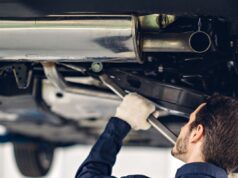
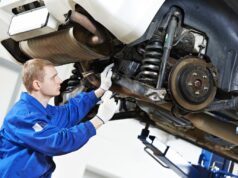
3. Inspect Suspension Regularly
Check suspension parts during routine service.
4. Replace Worn Parts on Time
Do not delay replacement of damaged components.
5. Avoid Overloading the Vehicle
Excess weight damages suspension components.
6. Maintain Wheel Alignment
Proper alignment reduces suspension wear.
These practices improve suspension durability.
How Suspension System Affects Vehicle Performance
The suspension system directly affects vehicle performance.
1. Handling Performance
Good suspension improves cornering and steering control.
2. Braking Efficiency
It improves braking stability.
3. Ride Comfort
It reduces vibrations and improves comfort.
4. Tire Performance
It ensures proper tire contact with the road.
5. Driving Safety
It improves vehicle control and stability.
A healthy suspension system ensures optimal performance.
When Should You Replace Suspension Parts?
You should replace suspension components when they show signs of wear.
Recommended Replacement Interval
Most suspension parts last between:
- 50,000 to 100,000 kilometers
However, driving conditions affect lifespan.
Replace Suspension if You Notice:
- Excessive bouncing
- Fluid leaks
- Noise from suspension
- Poor handling
Timely replacement improves safety.
Conclusion
The car suspension system is essential for vehicle safety, comfort, and performance. It absorbs shocks, maintains stability, and ensures proper tire contact with the road.
Key suspension components include shock absorbers, springs, struts, control arms, and sway bars. Each part plays a critical role in ensuring smooth and safe driving.
Regular maintenance and timely replacement of worn suspension parts improve vehicle performance and reduce repair costs.
A well-maintained suspension system ensures:
- Better comfort
- Improved safety
- Enhanced vehicle control
- Longer vehicle lifespan
If you want optimal driving performance, always keep your suspension system in excellent condition.