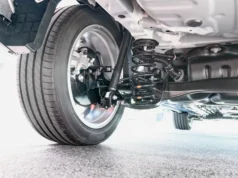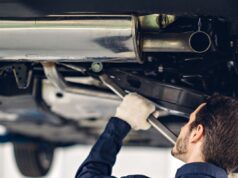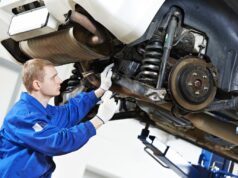

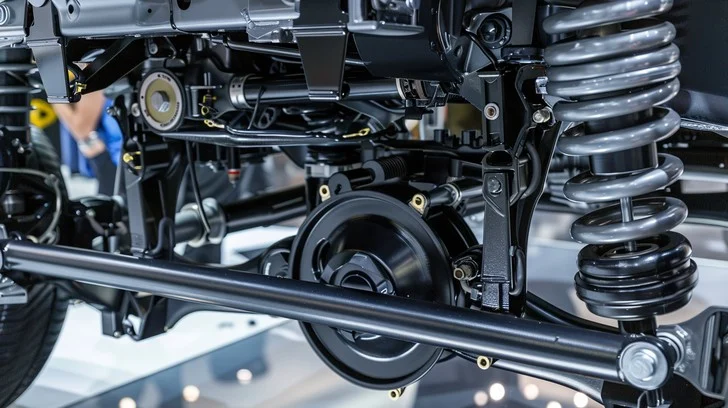
When drivers begin searching for car suspension shops near me, it usually means something feels wrong behind the wheel. The ride may feel rougher than usual, the vehicle might pull to one side, or there could be unusual noises when driving over bumps. Since the suspension system directly affects safety, comfort, and handling, choosing the right repair shop becomes an important decision.
A suspension system is not just about comfort—it plays a critical role in steering stability, braking efficiency, and overall road control. That is why selecting the best suspension shop requires careful consideration rather than simply picking the closest option available. Below is a detailed guide to help vehicle owners make an informed and confident choice.
Suggest Best Car Suspension Near You
Understand What a Suspension Shop Should Offer
Before choosing a repair facility, it helps to understand what services a professional suspension shop should provide. A qualified shop should be experienced in diagnosing and repairing:
- Shock and strut replacement
- Coil spring repairs
- Control arm replacement
- Ball joint repairs
- Steering and suspension alignment
- Bushings and linkages
- Air suspension systems
- Lift kits and lowering kits
Not all auto repair shops specialize in suspension work. While many general mechanics can handle minor issues, suspension-specific shops often have deeper expertise, better equipment, and more precise diagnostic processes.
Look for Specialized Experience
Experience matters significantly when it comes to suspension repair. Suspension systems are complex and interconnected. A worn shock absorber may also affect tire wear, alignment, and steering response. An inexperienced technician might replace only one visible component, while a specialist will inspect the entire system.
Drivers should look for shops that:
- Have several years of suspension repair experience
- Handle both domestic and imported vehicles
- Work with SUVs, sedans, trucks, and performance vehicles
- Understand advanced systems like electronic or air suspension
Experienced technicians can quickly identify root causes instead of guessing, which saves both time and money.
Verify Certifications and Professional Credentials
Certification is a strong indicator of technical competence. ASE (Automotive Service Excellence) certification, for example, shows that technicians have passed industry-recognized exams.
When evaluating a shop, drivers should check for:
- ASE-certified mechanics
- Manufacturer-specific training
- Ongoing technical education
- Membership in professional automotive associations
Certified professionals are more likely to follow correct repair procedures and safety standards.
Read Online Reviews and Ratings
Online reviews provide valuable insights into real customer experiences. When reviewing feedback, vehicle owners should pay attention to patterns rather than isolated comments.
Look for:
- Consistent praise for honesty and transparency
- Positive remarks about workmanship
- Clear communication
- Fair pricing
- Timely service
If multiple customers mention similar positive experiences, it usually indicates reliability. On the other hand, repeated complaints about hidden charges or unfinished repairs are warning signs.
Evaluate the Diagnostic Process
A trustworthy suspension shop should begin with a thorough inspection. Suspension issues can stem from various components, so a proper diagnosis is essential.
A professional inspection should include:
- Visual examination of shocks and struts
- Checking springs and control arms
- Inspecting bushings and joints
- Examining tire wear patterns
- Testing steering response
- Road testing the vehicle
Some shops may offer free or low-cost initial inspections. A clear explanation of findings before starting repairs builds trust and ensures transparency.
Compare Pricing Transparently
Cost is always an important factor, but it should not be the only consideration. The cheapest option is not always the best, especially when dealing with safety-critical systems.
A reputable shop should provide:
- Written repair estimates
- Breakdown of parts and labor
- Clear explanation of necessary vs optional repairs
- Information on OEM vs aftermarket parts
- No hidden fees
Drivers should feel comfortable asking questions about the estimate. Honest shops are willing to explain every charge in detail.
Ask About Warranty Coverage
Reliable suspension shops stand behind their work. Warranty coverage demonstrates confidence in both parts and labor.
Important warranty questions include:
- How long does the warranty last?
- Does it cover both parts and labor?
- Are there mileage limitations?
- What conditions might void the warranty?
A solid warranty provides peace of mind and protects against unexpected future expenses.
Assess Equipment and Technology
Modern suspension systems require specialized tools and equipment. Advanced vehicles may use electronic suspension control or air suspension systems that need computerized diagnostics.
A well-equipped suspension shop should have:
- Computerized wheel alignment systems
- Suspension diagnostic tools
- Proper hydraulic lifts
- Updated repair software
- Calibration equipment for advanced systems
Up-to-date equipment improves accuracy and reduces the risk of misdiagnosis.
Consider Turnaround Time
When suspension problems affect handling or safety, prompt service becomes essential. Drivers should ask:
- How long will the repair take?
- Are replacement parts in stock?
- Is same-day service available?
- Can appointments be scheduled quickly?
Efficient service should balance speed with quality. Rushed repairs can lead to mistakes, while unnecessary delays can create inconvenience.
Prioritize Clear Communication
The best car suspension shops communicate clearly and respectfully. Customers should feel comfortable discussing concerns and asking technical questions.
Good communication includes:
- Explaining issues in simple language
- Showing damaged parts when possible
- Offering multiple repair options
- Providing maintenance advice
- Giving honest recommendations
Friendly and transparent interaction builds long-term trust between customers and technicians.
Look for Comprehensive Service
A high-quality suspension shop often provides related services that improve overall vehicle performance, such as:
- Wheel alignment
- Tire balancing
- Brake inspections
- Steering system repairs
- Preventive maintenance checks
Choosing a shop that offers complete service ensures that all interconnected systems are functioning properly.
Pay Attention to Cleanliness and Organization
The condition of the repair facility often reflects the professionalism of the business. A clean, organized workspace usually indicates attention to detail.
While auto shops naturally involve tools and machinery, an orderly environment suggests structured workflow and disciplined practices.
Ask About Parts Quality
The quality of replacement parts significantly affects long-term performance. Drivers should ask whether the shop uses:
- Original Equipment Manufacturer (OEM) parts
- High-quality aftermarket components
- Performance-grade suspension parts
- Budget-friendly alternatives
Understanding the differences helps customers make informed decisions based on budget and driving needs.
Evaluate Customer Service
Customer service plays a major role in overall satisfaction. The best shops:
- Offer friendly reception
- Respond promptly to inquiries
- Provide clear scheduling options
- Follow up after repairs
- Respect customer time
Positive service experiences often lead to repeat visits and referrals.
Understand the Importance of Safety
Suspension repairs directly affect safety. A failing suspension system can:
- Increase braking distance
- Reduce steering control
- Cause uneven tire wear
- Lead to instability at higher speeds
Choosing a qualified suspension shop ensures that safety remains the top priority.
Consider Long-Term Relationship
Instead of viewing suspension repair as a one-time fix, drivers may benefit from building a long-term relationship with a trusted shop. Regular inspections and preventive maintenance can extend the life of suspension components and reduce costly breakdowns.
A reliable shop becomes a partner in maintaining vehicle performance over time.
Final Thoughts
When drivers search for car suspension shops near me, they are usually seeking immediate solutions for ride discomfort, handling problems, or safety concerns. However, proximity alone should not determine the choice.
Selecting the best car suspension shop involves evaluating experience, certifications, diagnostic methods, pricing transparency, warranty coverage, equipment quality, communication style, and overall professionalism.
A trustworthy suspension specialist will:
- Diagnose issues accurately
- Provide honest recommendations
- Use quality parts
- Offer fair pricing
- Stand behind their work
Taking the time to research and compare options ensures smoother driving, improved safety, and long-term vehicle reliability.
Choosing wisely today can prevent expensive repairs tomorrow—and most importantly, it keeps drivers and passengers safe on the road.